Introduction
Modern security is no longer about relying on a single device. A smart CCTV camera can capture footage in real time, but what if it misses critical environmental threats like gas leaks or sudden temperature spikes? Likewise, sensors can detect unusual events, but without visuals, they leave uncertainty.
When cameras and sensors are integrated, they form a layered security system that combines detection, verification, and response. This synergy makes homes, businesses, and industrial sites safer, smarter, and more reliable.
Understanding Smart CCTV Cameras & Sensor Types
Smart CCTV Cameras
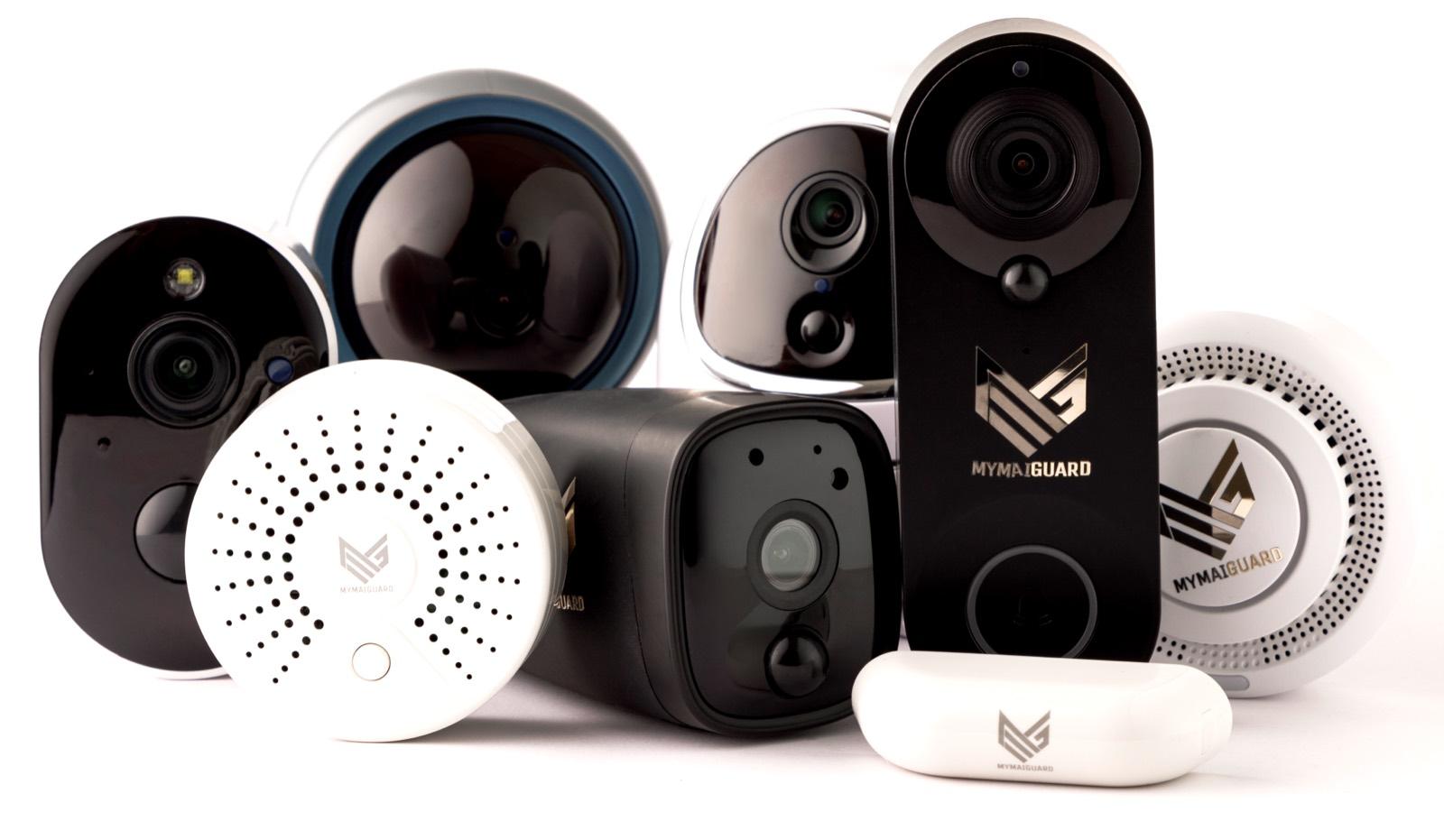
Smart CCTV cameras are more than just “digital eyes.” With features like AI-powered detection, facial recognition, night vision, cloud storage, and instant alerts, they offer real-time monitoring and evidence gathering.
CO₂ Gas Sensors
These sensors detect dangerous carbon dioxide levels or smoke, often signaling fire risks or hazardous leaks. When integrated with cameras, they can trigger video recordings to capture the exact moment and location of danger.
Thermal Sensors
Thermal imaging sensors detect heat signatures and temperature changes. They are especially useful in low-light environments, allowing cameras to track intruders or detect overheating equipment.
Solar PIR Alarm Detectors
Powered by solar energy, these Passive Infrared (PIR) detectors identify body heat and movement outdoors. They are ideal for farms, remote areas, and off-grid surveillance, activating cameras when movement is detected.
Motion Sensors
Motion sensors detect physical movement indoors and outdoors. They ensure that cameras only record when activity is present, saving bandwidth and power while minimizing false recordings.
Cameras and Sensors; How They Work Hand in Hand
Triggered Activation
Sensors act as the “alert system.” The moment they detect motion, gas, or heat, they send a signal that prompts the CCTV camera to record or livestream instantly.
Contextual Verification
While sensors detect unusual activity, cameras provide visual confirmation. This prevents unnecessary panic from false alerts and gives users clear proof of what is happening.
Automation & Smart Integration
Modern systems allow automated workflows:
A CO₂ sensor detects smoke → the camera records + mobile app sends an alert.
A thermal sensor detects heat at night → the camera activates floodlights and captures video.
A PIR detector senses movement near a gate → the camera records and triggers an alarm.